
The Digital Clubhouse — Where the Relationship Lives
By David Sullivan & James Hodge · Updated
Walk into a real clubhouse. Any clubhouse. The trophy cabinet. The volunteer behind the bar who knows everyone's name. The honour boards. The smell. There's a particular feeling, this is our place, that no algorithm has ever managed to replicate.
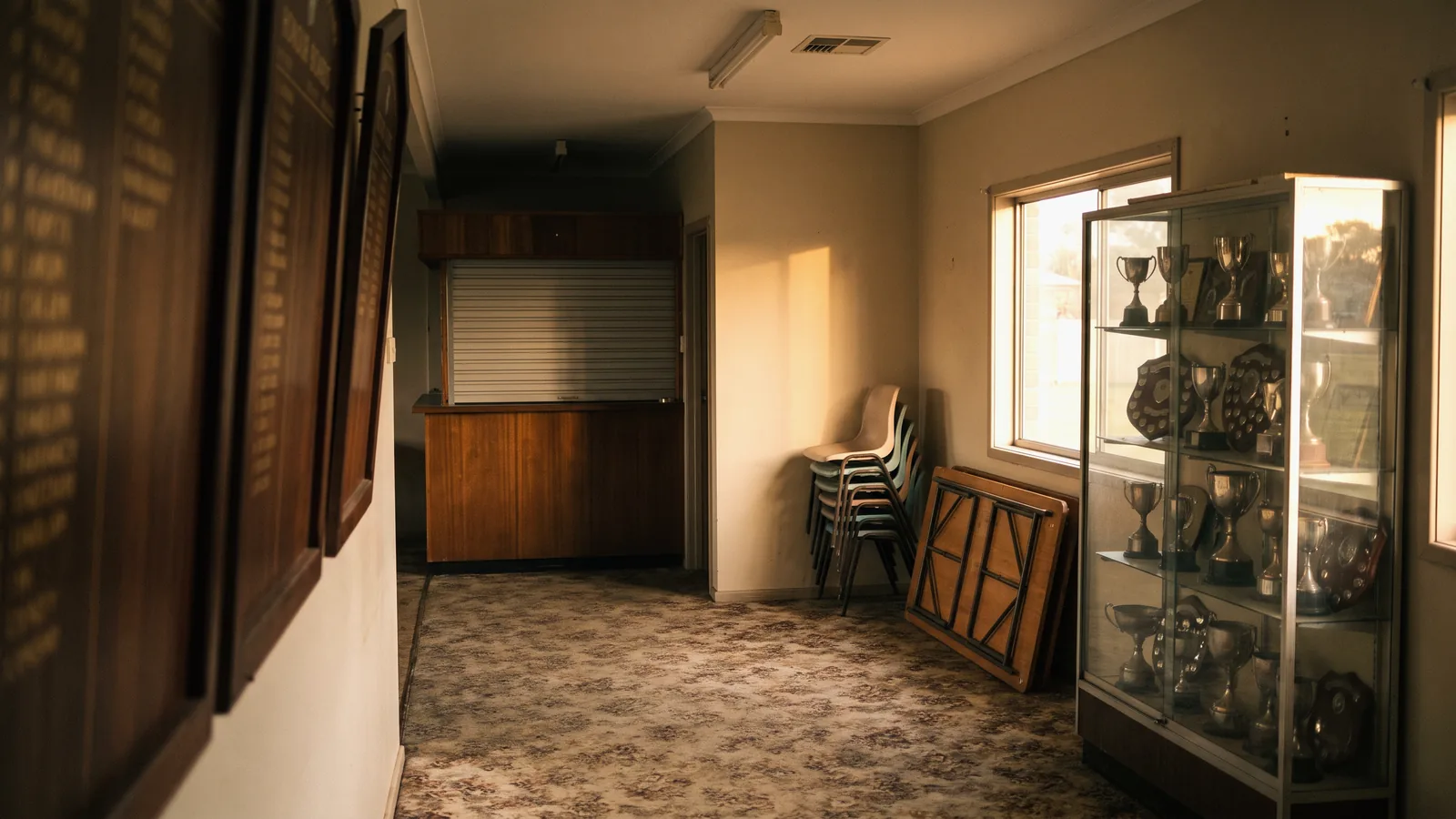
For decades, that physical clubhouse was the gravitational centre of every community organisation, sports team, destination, venue and event. It's where the news broke, where the celebrations happened, where the relationship lived.
Your audience isn't there anymore. They're on their phones.
The honest question is whether they're somewhere you control, or somewhere you rent.
The rented-land problem
Most clubs, destinations, venues and events have built their digital presence on social media. Posts get made. Reach gets reported. The numbers look healthy if you don't look too closely.
But you don't own any of it. The platform owns the audience. The platform owns the data. The platform decides who sees what, and when, and at what cost. Average organic reach on a Facebook page is 5.2%, so nineteen in twenty of the people who followed you will not see the post. Sponsor value is “estimated impressions.” When the algorithm shifts, and it always shifts, the work of years can disappear in a quarter.
This isn't a content problem. It's a control problem. You can solve a content problem with more posts. You can only solve a control problem by changing where the relationship lives.
What a digital clubhouse actually is
A digital clubhouse is the owned mobile experience your audience belongs to.
Not a website. Not a marketing channel. Not “another app to post on.” A place, your place, where everything your audience wants from you lives in one space, on your terms, with no algorithm in the middle and no competitor sitting next to your content.
Inside the clubhouse: live updates and scores, exclusive content, schedules and maps, sponsor activations that get tapped and claimed instead of merely seen, loyalty and recognition for the people who show up, polls and predictions and check-ins, a direct push channel that doesn't depend on anyone else's permission.
Every interaction is a signal you keep. Every signal sharpens the next interaction. The relationship compounds.
Social is the invite. Your Digital Clubhouse is where they belong.
The three things it actually delivers
Strip away the feature lists and a digital clubhouse does three things that social media cannot.
It tells you who your audience is. A follower is a stranger. An identified fan, visitor, patron or student is a partner. When someone votes in a poll, claims a reward, or checks in at a venue, they move from anonymous to known. From known to profiled. From profiled to engaged. Every step deepens what you know. None of that happens on a platform that sells the data back to you in the form of boosted posts.
It gives you a direct line. A push notification is addressed to the people who installed your app and chose to receive it. Roughly three in five people who install say yes to notifications, and nobody re-ranks the message after they have.
Email is the other channel you own, and it works. The average open rate across sectors is 20.73%, and for non-profits it is 27.03%. Keep sending it. What email cannot do is reach somebody standing at the ground with ninety seconds left, or carry a tap that lands in a sponsor report.
Social is the one that is not yours. A fraction of your follower count, decided by someone else, at a price that changes without notice.
It makes sponsorship measurable. This is where the commercial case gets serious. A logo on a fence delivers an estimate. A tap inside your own app delivers a tally. The sponsor doesn't ask whether the activation worked. The report tells them, with named, segmented, opted-in fans and the actions they took. The conversation moves from impressions to outcomes. The renewal conversation gets dramatically shorter.
What it looks like across sectors
The shape of the clubhouse shifts depending on whose audience is being owned. The argument doesn't.
Sports clubs turn the app into the home ground in a supporter's pocket. Match-day check-ins, sponsor activations, loyalty mechanics, a direct push channel. The board gets numbers it can use. Sponsors get evidence. Volunteers stop juggling six platforms.
Tourism destinations turn passive visitors into active explorers. Digital passports, reward trails, operator activations, real-time check-in data. Visitor dispersal stops being a council-presentation aspiration and becomes a measurable behaviour. The region owns the journey from arrival to repeat visit.
Events and festivals turn a one-off audience into one they can bring back. Schedules and wayfinding without paper churn. Sponsor moments tied to specific stages or experiences. An attendee database that doesn't evaporate when the gates close.
Venues turn walk-ins into known patrons. The footfall data you've always been collecting through tickets and EFTPOS finally becomes a living relationship: programming, recognition, loyalty, offers, all built around individuals rather than anonymous numbers.
Universities and student experience teams turn the campus into a discovery layer. Onboarding missions, club and event discovery, partner perks, behavioural signals that surface students who may need support earlier. Engagement, belonging and retention stop being soft concepts and start being measurable behaviours.
Same underlying argument. Five very different shapes.
The shift, in one line
Reach is rented. Relationship is owned.
The clubs, destinations, events, venues and universities winning right now are the ones who've stopped reporting on the visible bit and started measuring the invisible one. Followers above the waterline. Identified, profiled, engaged audiences below it.
The work isn't to grow the visible bit. The work is to convert as much of it as possible into the part that compounds.
Where to go next
This article is the doorway. The strategy briefing Reach Is Not Relationship is the room behind it: the sponsor-conversation framing in detail, the by-sector playbook, the scorecard you can take into a board meeting, and the practical wins your team can apply this week.
Download the briefing · free, no form
Published by Tiparra. We help sports clubs, tourism bodies, events, venues and universities turn rented audiences into owned ones, through their own branded mobile experience.
Sources. Social Status, 2026 social media benchmark. Average organic reach on a Facebook page: 5.2%. · Brevo, Email Marketing Benchmarks, published May 2026, drawn from over 175,000 customers across 2025 campaigns. Average open rate across all sectors 20.73%, or 33.87% counting Apple Mail Privacy Protection. Non-profit 27.03%. Average click-through rate 2.27%. · Batch, Push Notification Benchmark 2025. 61% average push opt-in, measured across 10,000 apps and 800 billion messages, July 2024 to July 2025.
Article Outline
- 1. The rented-land problem
- 2. What a digital clubhouse actually is
- 3. The three things it actually delivers
- 4. What it looks like across sectors
- 5. The shift, in one line
- 6. Where to go next
Read the briefing
Reach Is Not Relationship, the strategy briefing this article points at. Free, no form.